Hello Vladimir,
autoprovision tool is used only for TransitVPC. You create new role in IAM and the tool use it for changes. Everything happens automatically. How it works? When you create new VPC and want it to be part of TransitVPC, you must add tag on that VPC - for instance x-chkp-vpn. Autoprovision runs on your management station responsible for CloudGuards. When the tool notice there's new VPC with the proper tag, it creates new VGW, IPSec (VTI) tunnels to CloudGuards together with BGP session. Everything works fine until you don't have to troubleshoot something or change something major (as I mentioned before). In my opinion TransitVPC was good option before, when TGW didn't exist.
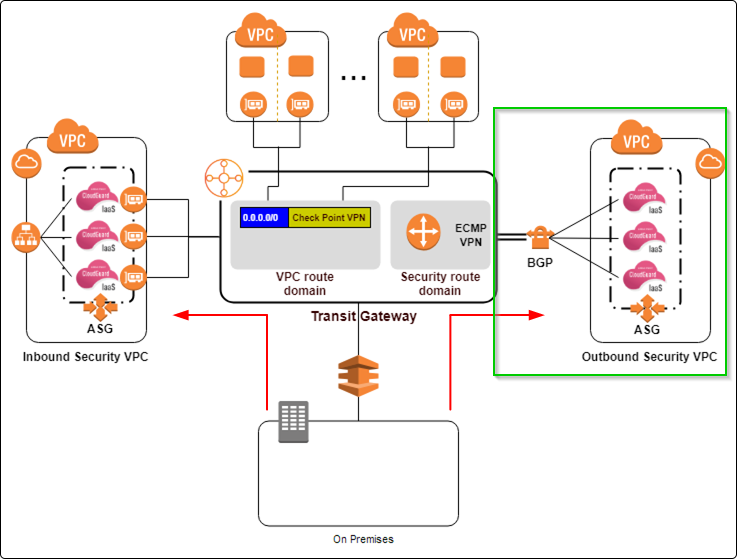
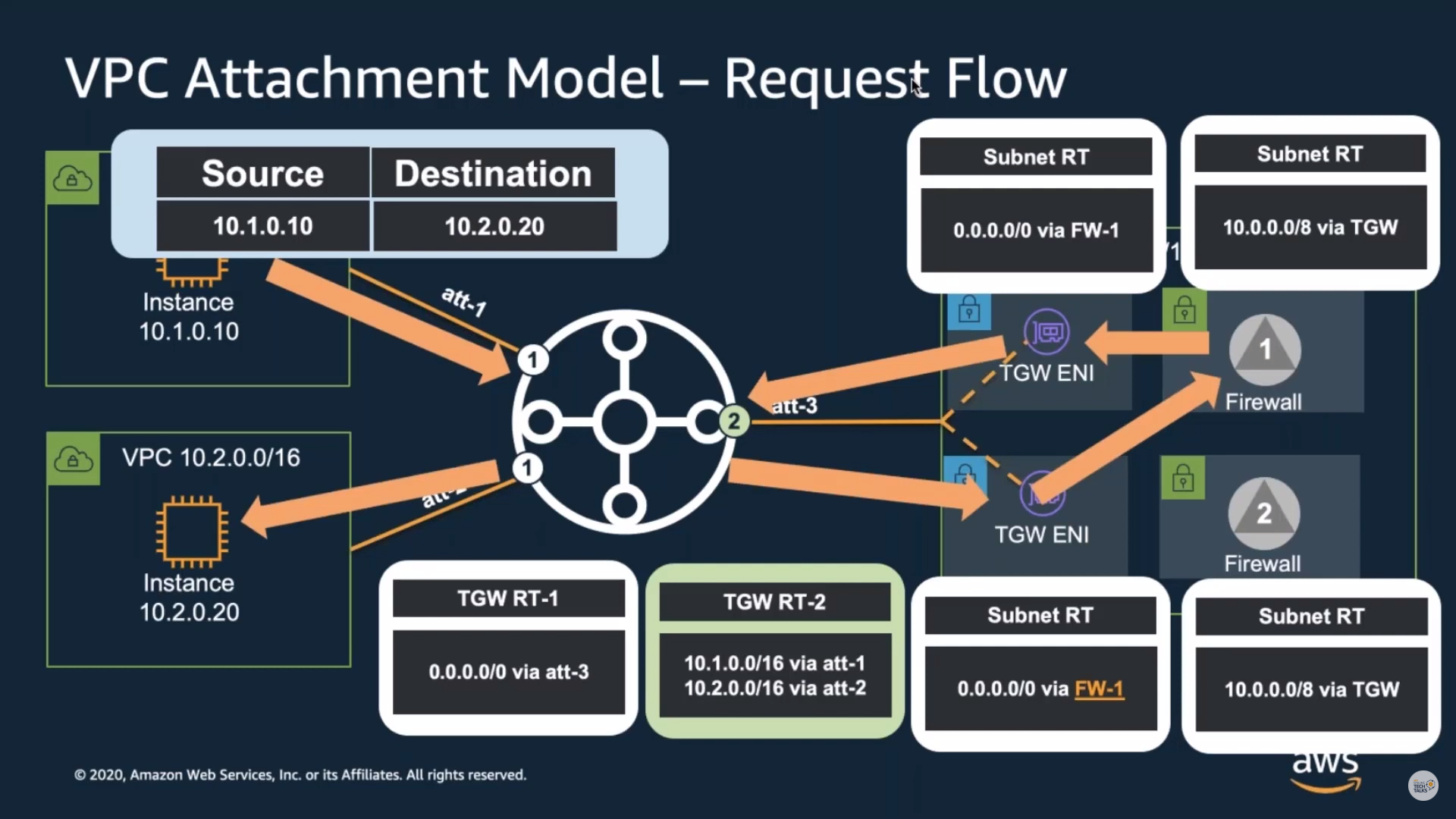
We're still in the early stage with implementing TGW. The main idea is to have two separate routing tables - one of them is used only for the VPCs which have to talk each other directly (without FW), and the other one is the so called default one, where the default GW will be CloudGuard cluster (Active-Active). The idea behind that cluster is to have one CloudGuard in one AZ, and another one in another AZ. Traffic is directed to ENI attached to the active one, and in case of failure this ENI is detached from the primary CloudGuard and moved to the other one. All that should be configured by the CloudFormation template provided by Check Point. Both members should work as Active-Active, but only one of them will handle the traffic.
Our cloud architect wrote Terraform scripts, so when we need to add new VPCs or remove old ones, we just add them to script and run it. But even without automation script the process of adding new VPC to TGW is very simple. You just have to create new TGW attachment and add it to the TGW.
What other gotchas have you encountered in TGW that I should be keeping an eye on?
There are some limitations about maximum BGP routes. Keep in mind that if you have to receive many routes from TGW to on-prem or vice-versa. Geo Cluster solution doesn't support IPsec (yes, I know it's very strange).
In TGW, do we have a means to limit the number of gateways in autoscaling groups of inbound and outbound instances?
Currently we don't use autoscaling groups, because one active firewall could take the load.
Are we specifying the instance types for GWs in TGW, or is it hardcoded?
I'm not sure if I fully understand your question, but the recommended minimum is c5.xlarge instance. If you think it's not enough for your needs you can always use something bigger.
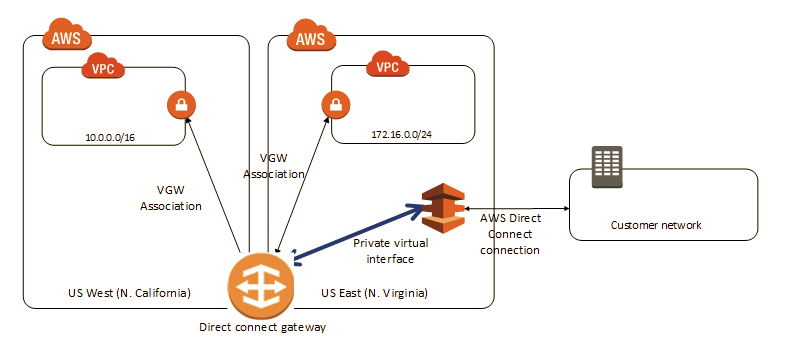
Please find attached screenshots. They are from very good TGW presentation which I found in YouTube. In one of them you will found the solution I mentioned with two route tables in TGW.
I hope I gave you more information. Let me know if explained something not clear enough.